SWEARX logoSWEARX

Clothing Protection Guide

Best Sweat Pads For Hyperhidrosis: What To Look For In 2026

June 30, 2026 • 10 min read

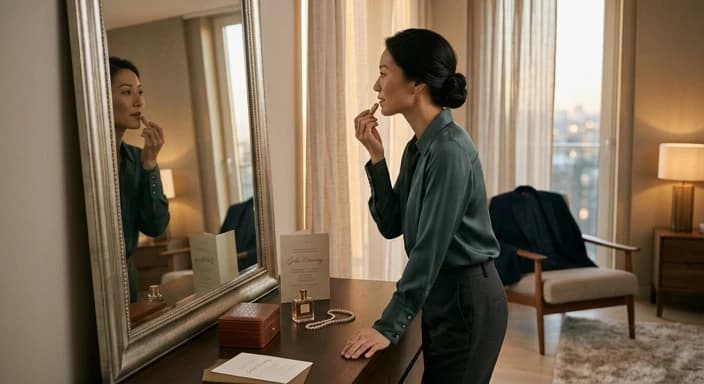
Professional person using clothing protection for excessive underarm sweating.

Excessive sweating can create challenges that go far beyond physical discomfort. For many people, one of the biggest frustrations is not the sweating itself but the effect it has on clothing. Visible underarm moisture, sweat marks on dress shirts, stained uniforms, and the need for frequent wardrobe changes can make everyday situations more stressful than they need to be.

Whether you're heading into an important meeting, commuting to work, attending an event, traveling, or spending long hours in a uniform, protecting clothing often becomes a daily priority. This is one reason why underarm sweat pads have become increasingly popular among people looking for practical clothing protection solutions.

While sweat pads are not designed to treat hyperhidrosis or stop the body's natural sweating process, they can help protect garments from moisture and visible underarm marks. Choosing the right product, however, can make a meaningful difference in comfort, performance, and overall confidence throughout the day.

In this guide, we'll explore what features matter most when selecting sweat pads for hyperhidrosis, how they compare to other clothing protection strategies, and what to look for when evaluating different options in 2026.

Key Takeaways

  • Hyperhidrosis can make clothing protection a daily concern.
  • Sweat pads are designed to help protect garments from underarm moisture.
  • High absorption capacity is one of the most important features to consider.
  • Reliable adhesive helps keep sweat pads securely positioned inside clothing.
  • Larger coverage areas can provide better protection for dress shirts and uniforms.
  • Breathable materials improve comfort during long wear.
  • Low-quality sweat pads may shift, bunch up, or become visible through clothing.
  • Sweat pads work alongside other strategies such as breathable fabrics and antiperspirants.
  • Clothing protection can be especially valuable during work, travel, uniforms, and formal events.
  • Choosing the right sweat pad often improves comfort, confidence, and garment longevity.

What Is Hyperhidrosis?

Hyperhidrosis is commonly associated with excessive sweating beyond what is typically needed for temperature regulation. Sweating itself is a natural and healthy body function, but some individuals experience perspiration levels that regularly affect daily activities, clothing choices, and social situations.

For many people, underarm sweating is one of the most noticeable concerns. Moisture can quickly transfer through shirts, blouses, uniforms, and jackets, creating visible marks that may be difficult to conceal throughout the day.

This can become particularly challenging in situations such as:

  • Professional office environments
  • Customer-facing roles
  • Public speaking engagements
  • Hospitality and service industries
  • Healthcare professions
  • Long commutes
  • Business travel
  • Formal events
  • Uniform-based jobs
  • Warm indoor environments

The impact often extends beyond clothing maintenance. Many people spend additional time choosing outfits, carrying spare shirts, avoiding certain colors, or planning their day around clothing changes.

Because of these challenges, practical clothing protection solutions have become increasingly important for people managing visible sweat marks in everyday life.

Why Sweat Pads Are Popular Among People With Hyperhidrosis

Many individuals use a combination of strategies to reduce the visibility of sweat marks. These may include breathable fabrics, antiperspirants, layering techniques, spare clothing, and clothing protection products.

Underarm sweat pads have become popular because they address one specific concern directly: protecting garments from moisture before it reaches the outer fabric.

Unlike products applied to the skin, sweat pads are designed to attach inside clothing. Their primary purpose is to help absorb moisture within the garment and reduce the likelihood of visible underarm marks appearing on the outside of the shirt.

People often choose sweat pads because they can:

  • Help protect clothing throughout the day
  • Help reduce visible moisture marks
  • Support a professional appearance
  • Extend the wearable time of garments
  • Improve confidence during important activities
  • Work alongside other sweat-management strategies
  • Help protect dress shirts, blouses, uniforms, and business attire
  • Offer discreet clothing protection during long days

Many users find them especially helpful during long workdays, conferences, presentations, travel days, weddings, and social events where changing clothes may not be practical.

What Makes A Good Sweat Pad?

A good sweat pad should do more than simply attach to clothing. It should provide a balance of absorption, comfort, reliable hold, coverage, and discretion.

The best sweat pads for hyperhidrosis-related clothing concerns usually share several important qualities.

Absorption

Absorption is the core function of a sweat pad.

A product with limited absorption may become saturated quickly, especially during warm weather, stressful situations, or long periods of wear. Strong absorption helps manage moisture before it reaches the outer fabric of a garment.

For people dealing with frequent visible underarm moisture, absorption capacity is usually one of the first features to evaluate.

Adhesive Quality

A sweat pad only works properly if it stays in place.

Weak adhesive may cause the pad to shift, fold, or detach during movement. This can reduce protection and create discomfort.

A reliable adhesive should keep the pad positioned inside clothing during normal daily activity while still allowing clean removal after use.

Comfort

Comfort matters because many people wear sweat pads for several hours at a time.

If a pad feels stiff, bulky, or irritating, it may become distracting during work, travel, or events. Soft materials and flexible construction can make daily wear much easier.

Coverage

Coverage area is especially important for people who experience heavier underarm moisture.

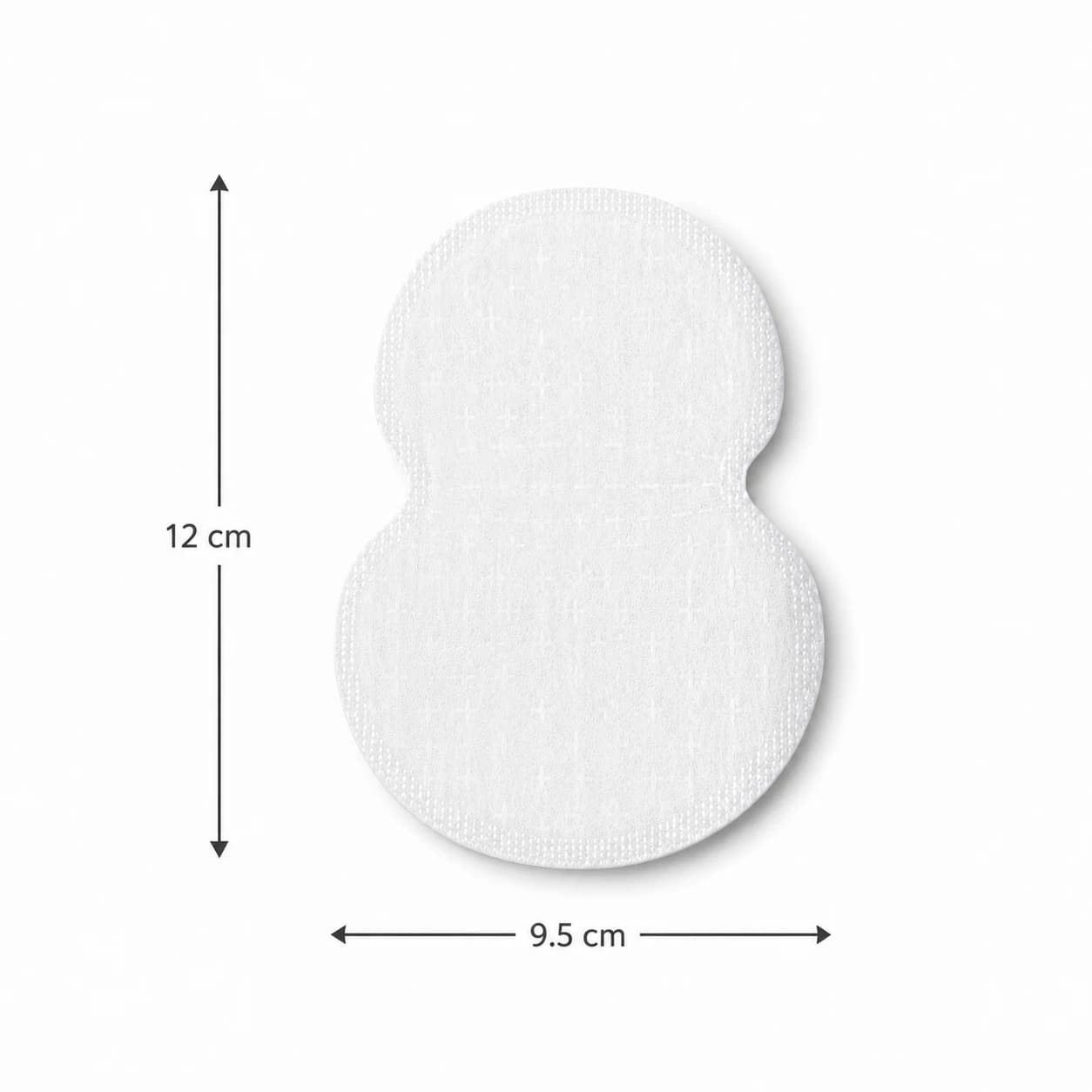
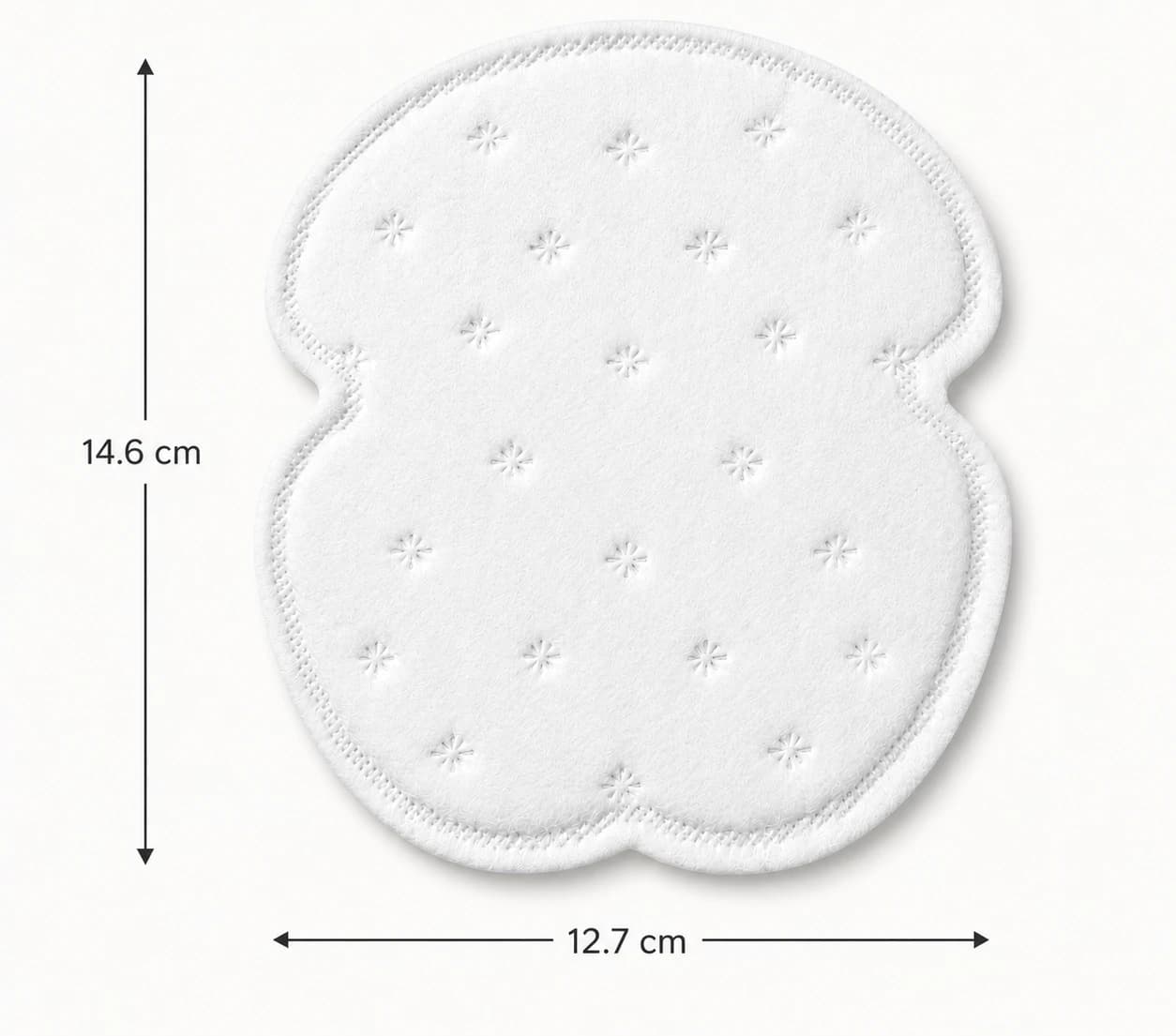
Smaller pads may protect only a limited area, while larger designs can help protect more fabric around the underarm zone. This can be especially helpful for dress shirts, uniforms, fitted garments, and business attire.

Discretion

Most people want sweat protection that remains unnoticed.

A good sweat pad should sit inside clothing with a low profile and avoid creating obvious outlines under normal wear.

Fabric Compatibility

Different fabrics behave differently. Cotton shirts, synthetic blends, uniforms, blouses, and dress shirts may all interact with adhesive products in slightly different ways.

A good sweat pad should perform consistently across common clothing types when used as directed.

Sweat Pad Features Comparison

FeatureWhy It MattersWhat To Look For
AbsorptionHelps manage moisture before it reaches outer fabricAbsorbent core designed for daily wear
AdhesiveKeeps the pad positioned inside clothingSecure hold with clean removal
CoverageProtects a larger underarm areaWider design for shirts and uniforms
ComfortImproves wearability during long daysSoft and flexible materials
DiscretionHelps keep protection less noticeableLow-profile design
Fabric CompatibilitySupports use with different garmentsWorks with common shirts, blouses, and uniforms
Daily ConvenienceMakes regular use easierDisposable, easy-to-apply format

This type of comparison is useful because the best choice is rarely based on one feature alone. A sweat pad with strong absorption but poor adhesive may still fail in daily use. A comfortable pad with limited coverage may not protect enough fabric. The right balance matters.

What To Look For In The Best Sweat Pads

Not all sweat pads perform equally. Several factors can significantly affect comfort and effectiveness.

Absorption Capacity

Absorption is often the most important consideration.

The purpose of a sweat pad is to help manage moisture before it reaches the outer fabric of a garment. Products with limited absorption capacity may become saturated quickly, particularly during warmer weather or extended wear.

When comparing options, look for products designed to handle prolonged daily use rather than short-term protection only.

Higher-quality absorbent materials may help maintain comfort while providing more consistent protection throughout the day.

Reliable Adhesive

A sweat pad is only effective if it remains properly positioned.

Weak adhesive can cause pads to shift, fold, or detach during movement. This may reduce effectiveness and create discomfort.

Reliable adhesive should:

  • Hold securely inside clothing
  • Stay in place during normal movement
  • Remove cleanly after use
  • Avoid damaging fabric when used as directed

Consistency matters just as much as absorption performance.

Comfort During Long Wear

Many people wear sweat pads for eight, ten, or even twelve hours at a time.

Comfort becomes especially important during:

  • Work shifts
  • Business travel
  • Conferences
  • Weddings
  • Long events
  • Daily commuting
  • Uniform wear

Soft materials and flexible construction often contribute to a more comfortable experience.

Products designed with comfort in mind are generally less noticeable throughout the day.

Coverage Area

Coverage size is frequently overlooked.

Smaller pads may protect only a limited area of fabric, while larger designs can help provide broader garment protection.

This becomes particularly important for:

  • Dress shirts
  • Business attire
  • Uniforms
  • Fitted garments
  • Blouses
  • Polo shirts

A larger coverage area may help intercept moisture before it spreads through surrounding fabric.

Discreet Design

Most users want clothing protection that remains largely unnoticed.

A discreet sweat pad should:

  • Sit comfortably inside clothing
  • Maintain a low profile
  • Avoid creating visible outlines
  • Work with a variety of garment types

Discretion is especially important in professional environments where appearance matters.

Common Problems With Low-Quality Sweat Pads

The growing popularity of sweat pads has led to a wide range of products entering the market. Unfortunately, not all of them provide the same level of performance.

Common complaints associated with lower-quality options include weak adhesive, visible outlines, limited absorption, bunching, folding, and inconsistent performance across different clothing materials.

Weak Adhesive

Poor adhesive may allow pads to shift during normal movement, reducing protection and creating inconvenience.

This can be especially frustrating during long workdays or formal events, when adjusting clothing frequently may not be practical.

Visible Outlines

Thicker or poorly designed pads may become visible under fitted clothing.

This is especially important for business shirts, blouses, dresses, and lighter fabrics.

Limited Absorption

Some products simply cannot handle prolonged wear or higher moisture levels.

If the pad becomes saturated too quickly, moisture may still reach the outer fabric.

Bunching And Folding

Pads that lose their shape may become uncomfortable and less effective over time.

This can also make the product more noticeable during movement.

Fabric Compatibility Issues

Certain products may not perform consistently across different clothing materials.

A pad that works well with one shirt may not perform the same way with another fabric type.

These issues often explain why some users abandon sweat pads after trying lower-quality alternatives.

Best Clothing Choices For Excessive Sweating

Sweat pads can be effective, but clothing selection still plays an important role.

Breathable Fabrics

Materials that promote airflow often improve overall comfort.

Examples include:

  • Cotton
  • Linen
  • Lightweight blends
  • Performance fabrics designed for moisture management

Breathable fabrics may help reduce heat buildup and improve comfort throughout the day.

Strategic Color Selection

Some colors naturally conceal moisture better than others.

Often recommended choices include:

  • Black
  • Navy
  • Dark gray
  • Patterned fabrics

Many people find that light gray tends to reveal moisture more easily.

Choosing the right colors can provide an extra layer of visual protection, especially during important events or long days away from home.

Layering

Strategic layering may help reduce the visibility of sweat marks while maintaining a professional appearance.

However, layering can also increase warmth, so it should be used carefully depending on the climate and environment.

Travel-Friendly Clothing

When traveling, lightweight fabrics and wrinkle-resistant materials can provide additional comfort and flexibility.

Travel often includes long periods of sitting, temperature changes, crowded spaces, and limited opportunities to change clothes. Clothing protection products can be especially useful in these situations.

Uniform Considerations

People who wear uniforms often have fewer wardrobe options.

In these situations, additional clothing protection may become especially valuable because color, material, and fit are often predetermined.

Best Sweat Pads For Work, Travel, And Events

Different situations require slightly different clothing protection priorities.

For Work

Office workers, teachers, healthcare workers, hospitality staff, and sales professionals may need protection that lasts through long hours of activity.

The most important features for work are usually:

  • Secure adhesive
  • Comfortable wear
  • Discreet appearance
  • Reliable absorption
  • Compatibility with dress shirts or uniforms

For Travel

Travel can make sweat marks harder to manage because changing clothes is not always convenient.

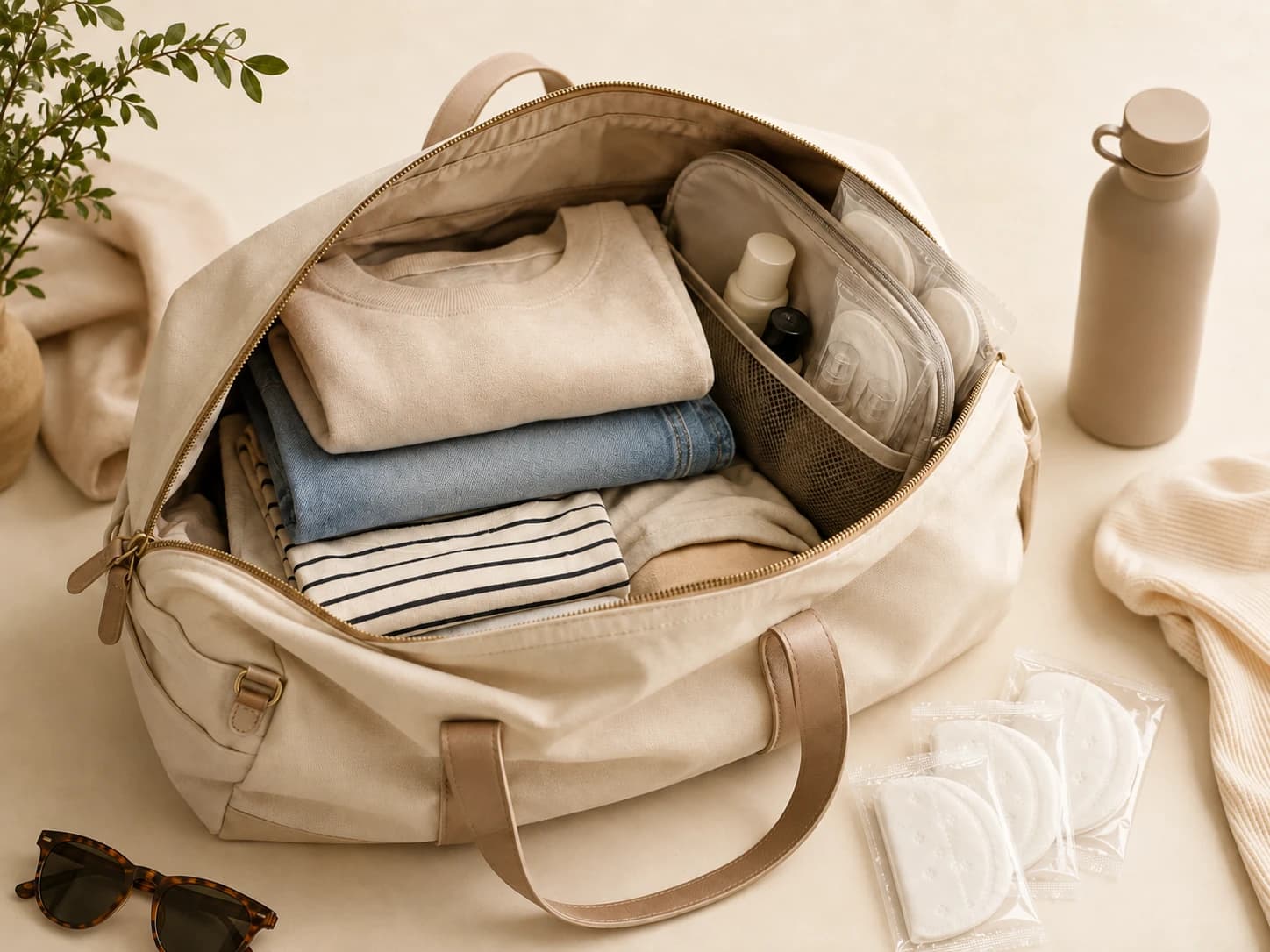
Good travel sweat pads should be easy to pack, simple to apply, and comfortable during long periods of movement or sitting.

For Formal Events

Weddings, business dinners, presentations, and social gatherings often involve close interaction and extended wear time.

For formal events, discretion and comfort matter just as much as absorption.

For Uniforms

Uniforms are often worn for long shifts and may not be easy to replace during the day.

Sweat pads can help protect uniforms from visible underarm moisture and may reduce the need for frequent garment changes.

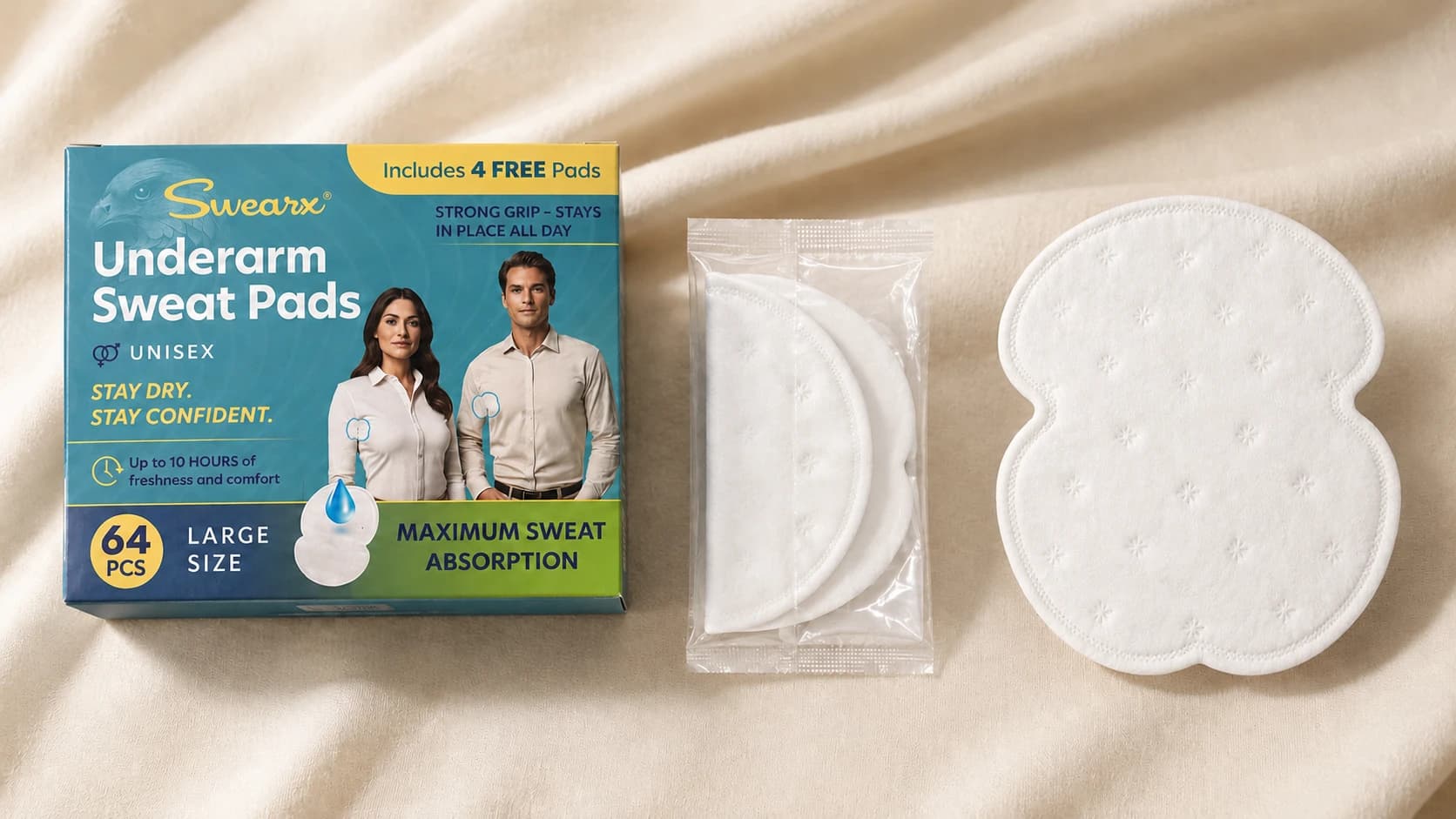
SWEARX Underarm Sweat Pads

When evaluating sweat pads, many users prioritize a combination of absorption, comfort, coverage, and reliability.

SWEARX underarm sweat pads are designed with these factors in mind.

Features include:

  • Large coverage design
  • SAP absorbent core
  • Soft comfort layer
  • Sweat shield layer
  • Fabric-safe adhesive
  • Designed for men and women

Because they attach inside clothing rather than directly to the skin, they are intended to help protect garments from visible underarm moisture during everyday activities.

Many people use clothing protection products during:

  • Office work
  • Business travel
  • Long shifts
  • Conferences
  • Events
  • Daily commuting
  • Uniform wear

The goal is not to stop sweating. The goal is to help manage the effect moisture can have on clothing.

For more information about product features, visit our Product Details page.

You can also explore our complete Guide for additional clothing protection tips.

Tips For Managing Sweat Marks Throughout The Day

A comprehensive approach often works best.

Choose Clothing Strategically

Breathable fabrics and practical color choices can make a noticeable difference.

When possible, choose clothing that supports airflow and hides moisture better.

Plan Ahead

If you know you'll be attending an important event or spending a long day away from home, preparing in advance can reduce stress.

This may include choosing the right outfit, packing extra clothing, or using clothing protection products.

Carry Backup Clothing

Some people prefer keeping an extra shirt available for extended days.

This is especially useful during travel, conferences, or long work shifts.

Use Antiperspirants Correctly

Follow manufacturer instructions and allow products to dry completely before dressing.

Antiperspirants and sweat pads serve different purposes and may be used together as part of a broader routine.

Consider Sweat Pads

Many individuals use sweat pads as an additional layer of garment protection.

They are especially useful when visible moisture would be inconvenient or stressful.

Stay Comfortable

Overheating can contribute to discomfort. Lightweight clothing and breathable fabrics often improve overall wearability.

Build A Routine

Consistency tends to produce better results than relying on last-minute solutions.

A routine may include choosing suitable clothing, applying antiperspirant properly, and using clothing protection when needed.

Learning More About Clothing Protection

If you're new to underarm sweat pads, you may find these additional resources helpful:

These resources provide additional information on clothing protection, garment care, and practical everyday strategies.

Frequently Asked Questions

Do sweat pads help with hyperhidrosis?

Sweat pads can help protect clothing from moisture and visible sweat marks. They do not treat hyperhidrosis itself and are intended as a clothing protection solution.

Are underarm sweat pads visible under clothing?

Many sweat pads are designed to be worn discreetly inside garments. Visibility may depend on clothing type, fit, and product design.

Can sweat pads be worn every day?

Many people choose to use sweat pads as part of their daily clothing protection routine, particularly during workdays, travel, or special events.

Do sweat pads replace antiperspirants?

No. Sweat pads and antiperspirants serve different purposes. Antiperspirants are applied to the skin, while sweat pads are designed to help protect clothing from moisture.

Which clothes work best with sweat pads?

Sweat pads are commonly used with dress shirts, business attire, uniforms, blouses, polo shirts, and other garments where clothing protection is desired.

Can sweat pads help protect uniforms?

Many people wear sweat pads with professional uniforms to help reduce visible underarm moisture and support a cleaner appearance during long shifts.

Are sweat pads useful during travel?

Yes. Travelers often use sweat pads during flights, conferences, business trips, and long sightseeing days when changing clothes may not be convenient.

What features matter most when choosing sweat pads?

Absorption, adhesive quality, comfort, coverage area, and discreet design are usually the most important features to consider.

Are sweat pads a medical solution?

No. Sweat pads are clothing protection products. They are not medical treatments and do not stop the body's natural sweating process.

Final Thoughts

Finding the best sweat pads for hyperhidrosis-related clothing concerns often comes down to understanding what matters most: absorption, comfort, coverage, reliability, and discretion.

While no clothing protection product can eliminate sweating, the right solution may help reduce the impact moisture has on your garments and everyday confidence.

Whether you're navigating a busy work schedule, attending important events, wearing uniforms, or spending long days on the move, protecting clothing can make daily life more comfortable and predictable.

For individuals looking for everyday garment protection, SWEARX underarm sweat pads are designed to help absorb moisture before it reaches outer fabric and help keep clothing looking cleaner throughout the day.

Related Articles